Servers Designed for Single-Phase Immersion Cooling
Unlike air cooling, servers used in single-phase immersion cooling have some special considerations:
Server installation mechanism
Chemical phase changes
Steady flow of coolant in the system
By partnering with the major single-phase immersion cooling suppliers in the market, GIGABYTE's single-phase immersion cooling servers can be installed directly in their off-the-shelf tanks from these partners, eliminating the need for product compatibility testing and customization. These systematic modifications greatly reduce the time for verification and adoption of single-phase immersion cooling technology.
Structural Integrity and Simplified Management
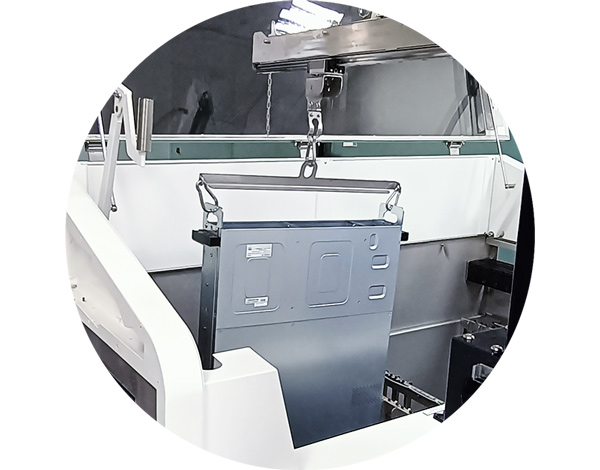
Servers must be installed vertically in the tank, and this lowering or raising of servers is due to an optimized tank design for single-phase immersion cooling. Therefore, the server installed upright needs to have rigid and firm structural integrity to ensure the chassis will not deform. Also, due to the vertical design, the cable routing and maintenance are also different than traditional data centers. Therefore, we re-examine the design and strengthen the server chassis for immersion cooling and reroute the cables. For instance, I/O ports are all arranged on the rear side facing up, and the network cables need to be rerouted to the sides so that maintenance can be quick and easy. Also, to make it more convenient for IT to install or remove a server, a bracket was added to allow hooks to move the server.
Design to Ensure Steady Fluid Flow in the Tank
When a server is submerged in a coolant, an important condition is that the fluid is circulated well, and the warm fluid is pumped out as cooler fluid is pumped in. Only by maintaining a stable coolant flow can the heat absorbed by the fluid be managed, and the system can automatically adjust the coolant flow rate according to the operation needs. To ensure efficient heat removal, the server design for single-phase immersion cooling not only must remove any components that negatively affect the fluid flow in the system, but they also must reduce the dead space in the chassis to avoid heat accumulation. Based on the viscosity of the coolant and the specific heat capacity of the coolant, the heat dissipation rate of the server must be constantly monitored and adjusted to avoid issues . Servers developed for single-phase immersion cooling can significantly reduce unnecessary barriers that users may encounter when adopting new technologies, allowing them to focus on productivity.
Made with Materials Suitable for Various Coolants
Single-phase immersion cooling submerges the server in a cooling fluid that removes heat by directly coming into contact with the heating elements. GIGABYTE had to evaluate how the chemical composition of the coolant may affect the components as well as the effect of the temperature and process on the coolant. Through theory and experimental experience, we perfected the design and will continue to explore materials that are suitable for immersion cooling.
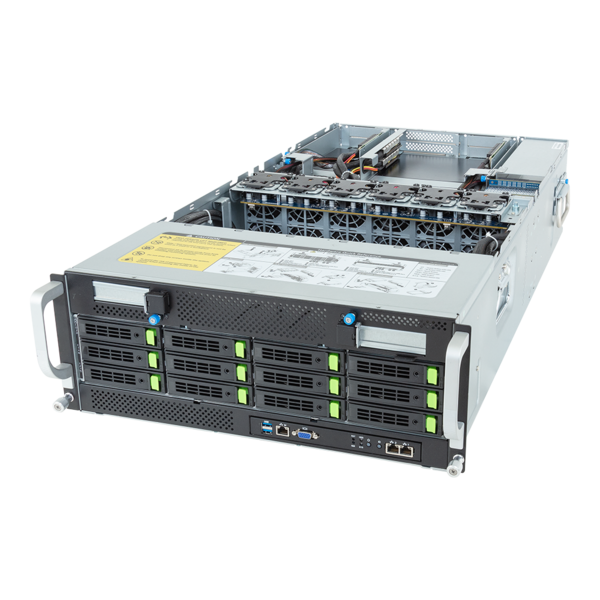
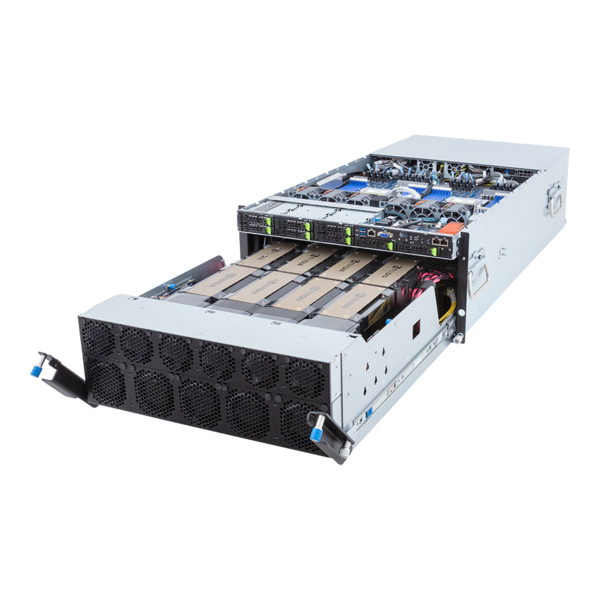
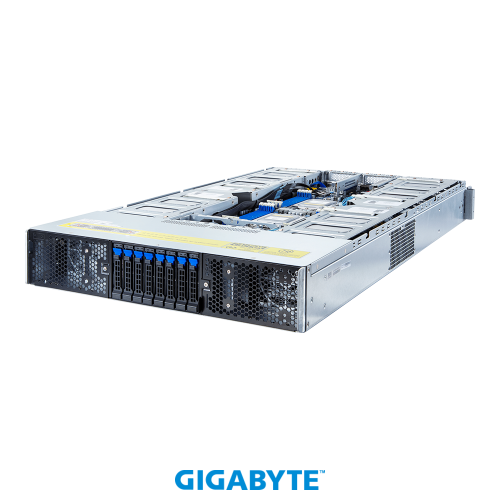
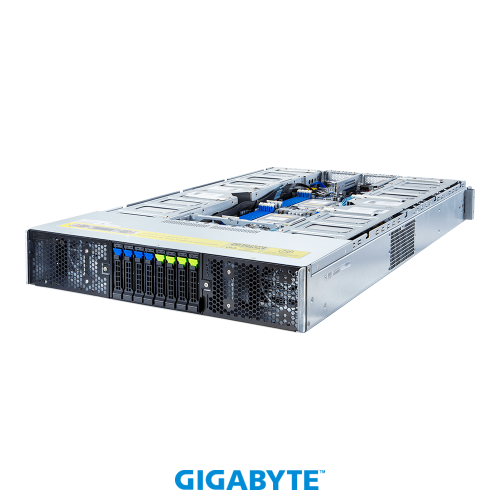
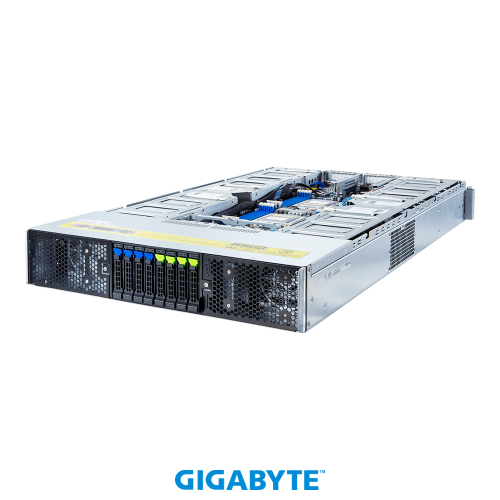
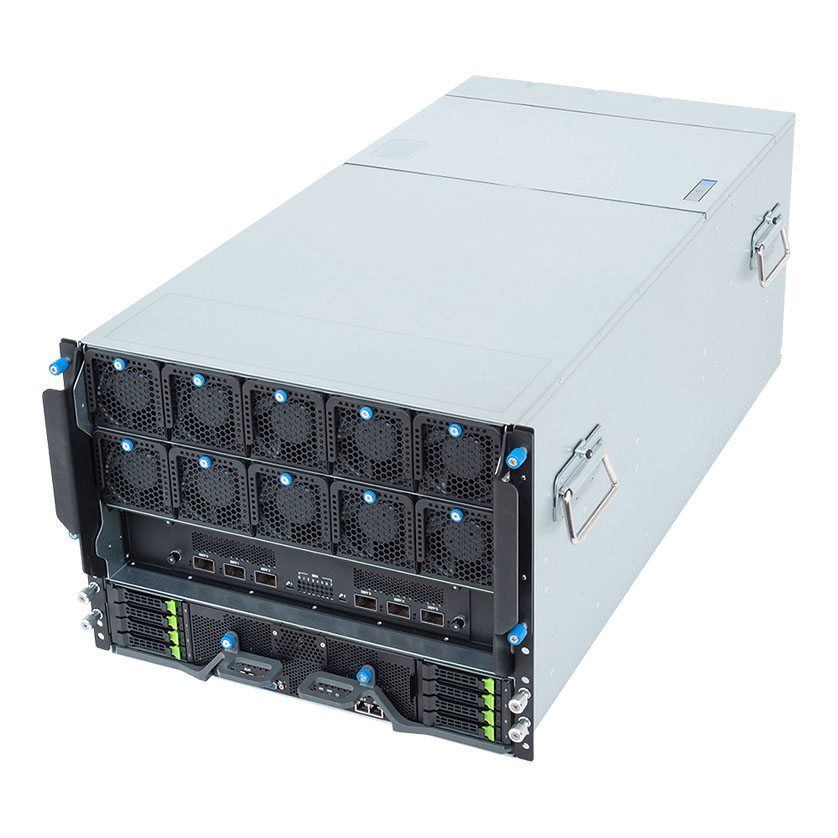
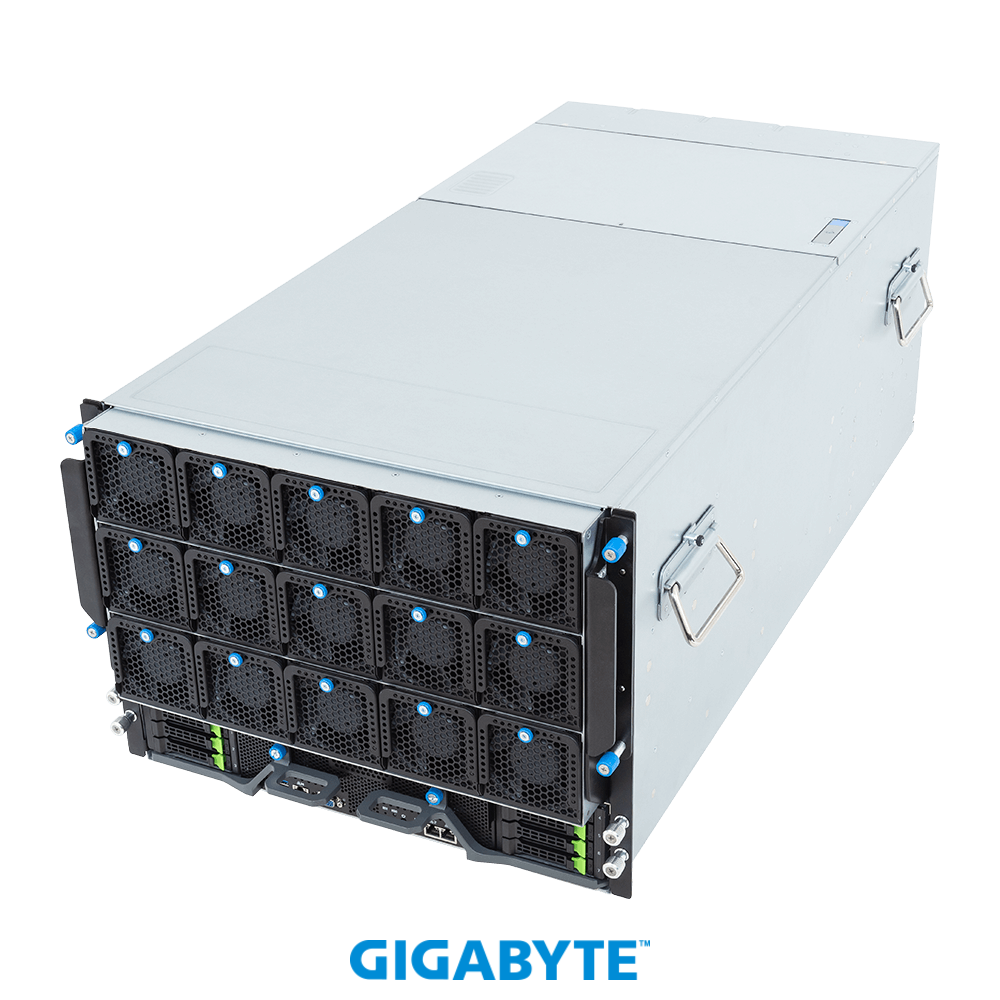
G292-Z45 Product Overview
G292-Z45 Product Overview
G292-Z45 Product Overview
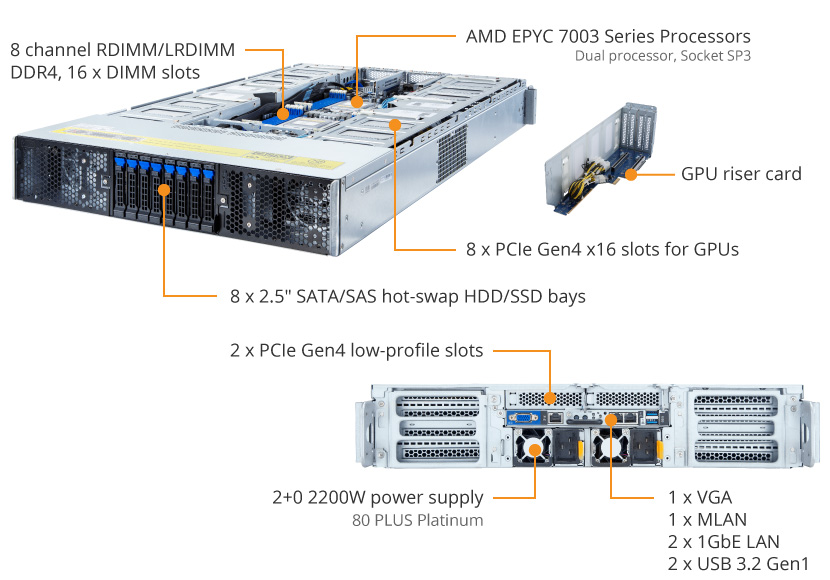
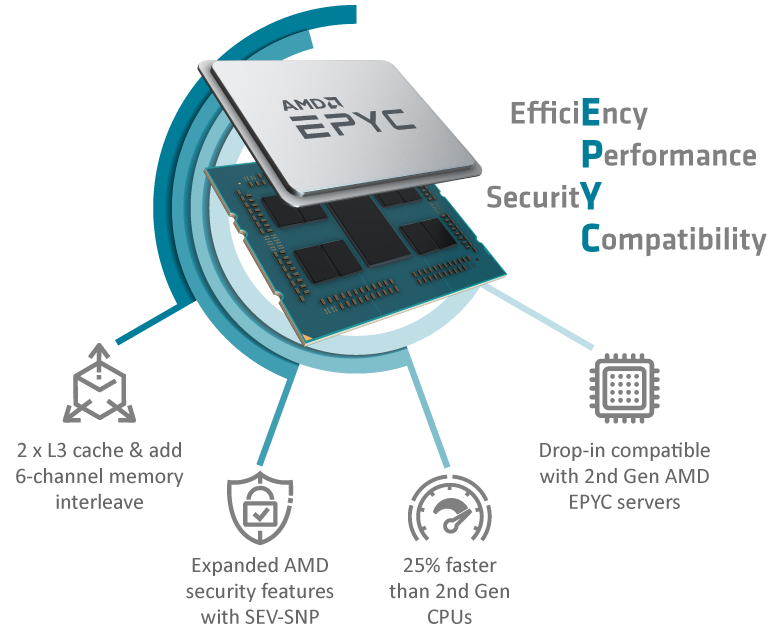
AMD EPYC™ 7003 Series Processors
GIGABYTE servers and AMD EPYC 7003 Series Processors deliver the highest possible I/O throughput to pave the way for fast communication between CPU and accelerator in HPC and data analytics.
Up to 64 Cores
8 Channels of DDR4-3200
Up to 4TB Memory Capacity
128 lanes PCIe 4.0
2-way SMT & Turbo Boost
4,6,8-channel Memory Interleave
Synchronized Fabric and Memory Clock Speeds
Secure Memory Encryption
Secure Encrypted Virtualization
Hardware Security
Optional TPM 2.0 Module
For hardware-based authentication, the passwords, encryption keys, and digital certificates are stored in a TPM module to prevent unwanted users from gaining access to your data. GIGABYTE TPM modules come in either a Serial Peripheral Interface or Low Pin Count bus.
High Availability
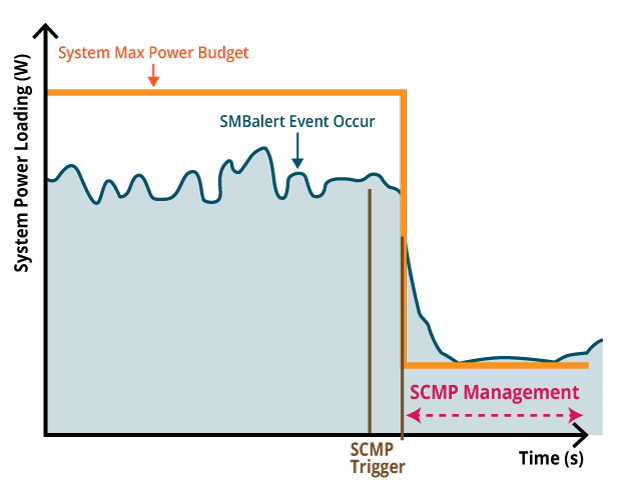
Smart Crises Management and Protection (SCMP)
SCMP is a GIGABYTE patented feature which is deployed in servers with non-fully redundant PSU design. With SCMP, in the event of faulty PSU or overheated system, the system will force the CPU into an ultra-low power mode that reduces the power load, which prevents the system from unexpected shutdown and avoids component damage or data loss.
Smart Ride Through (SmaRT)
To prevent server downtime and data loss as a result of loss of AC power, GIGABYTE implements SmaRT in all our server platforms. When such an event occurs, the system will throttle while maintaining availability and reducing power load. Capacitors within the power supply can supply power for 10-20ms, which is enough time to transition to a backup power source for continued operation.
User Friendly
Certified Ready with Software Partners
Being a member of key software alliance partner programs enables GIGABYTE to rapidly develop and validate joint solutions, enabling our customers to modernize their data centers and implement IT infrastructure and application services with speed, agility, and cost optimization.
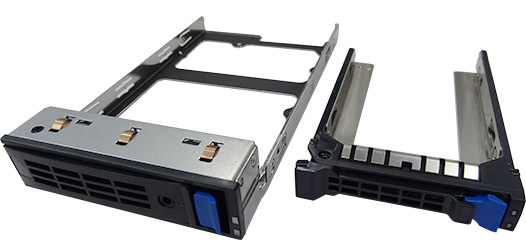
Tool-less Drive Bays Design
Clipping mechanism secures the drive in place. Install or replace a new drive in seconds.
Value-added Management
GIGABYTE offers free-of-charge management applications via a specialized small processor built on the server.
GIGABYTE Management Console
For management and maintenance of a server or a small cluster, users can use the GIGABYTE Management Console, which is pre-installed on each server. Once the servers are running, IT staff can perform real-time health monitoring and management on each server through the browser-based graphical user interface. In addition, the GIGABYTE Management Console also provides:
Support for standard IPMI specifications that allows users to integrate services into a single platform through an open interface
Automatic event recording, which can record system behavior 30 seconds before an event occurs, making it easier to determine subsequent actions
Integrate SAS/SATA/NVMe devices and RAID controller firmware into GIGABYTE Management Console to monitor and control Broadcom® MegaRAID adapters.
GIGABYTE Server Management (GSM)
GSM is a software suite that can manage clusters of servers simultaneously over the internet. GSM can be run on all GIGABYTE servers and has support for Windows and Linux. GSM can be downloaded from GIGABYTE website and complies with IPMI and Redfish standards. GSM includes a complete range of system management functions that includes the following utilities:
GSM Server: A software program that provides real-time, remote control using a graphical user interface through an administrator’s computer or through a server in the cluster. The software allows ease of maintenance for large clusters of servers.
GSM CLI: A command-line interface for monitoring and managing remotely.
GSM Agent: A software program installed on each GIGABYTE server node that retrieves information from each system and devices through the OS, and this software integrates with GSM Server or GSM CLI.
GSM Mobile: A mobile app for both Android and iOS that provides admins with real-time system information.
GSM Plugin: An application program interface that allows users to use VMware vCenter for real-time monitoring and management of server clusters.
VDO is the authorized distributor of Giga Computing and GigaIPC products in Vietnam.
For businesses and project clients looking to invest in or purchase our products, feel free to reach out to our hotline at 1900 0366 or email us at info@vdo.vn to get the best available prices.
🏢 Hanoi: Detech Tower, No. 8 Ton That Thuyet Street, My Dinh 2 Ward, Nam Tu Liem District, Hanoi
🏢 Ho Chi Minh City: 2nd Floor, 155 Vo Van Tan Street, Vo Thi Sau Ward, District 3, Ho Chi Minh City
CPU
AMD EPYC™ 7003 series processor family
Dual processor, 7nm technology
Up to 64-core, 128 threads per processor
cTDP up to 240W
Compatible with AMD EPYC™ 7002 series processor family
NOTE: If only 1 CPU is installed, some PCIe or memory functions might be unavailable
Socket
2 x LGA 4094
Socket SP3
Chipset
System on Chip
Memory
16 x DIMM slots
DDR4 memory supported only
8-Channel memory architecture per processor
RDIMM modules up to 128GB supported
LRDIMM modules up to 128GB supported
3DS RDIMM/LRDIMM modules up to 256GB supported
Memory speed: Up to 3200 MHz
LAN
Rear side:
2 x 1Gb/s LAN ports (Intel® I350-AM2)
NCSI function supported
1 x 10/100/1000 management LAN
Video
Integrated in Aspeed® AST2500
2D Video Graphic Adapter with PCIe bus interface
1920x1200@60Hz 32bpp, DDR4 SDRAM
Storage
Front side:
8 x 2.5" SATA/SAS hot-swappable bays
SAS card is required for SAS devices support
Recommended 12Gb/s SAS cards: CRA4448
CRA4548
SAS
Supported via add-on SAS Card
RAID
N/A
Expansion Slots
Riser Card CRSG226 x 2:
2 x PCIe x16 (Gen4 x16) FHFL slots, from CPU_0, for GPUs
2 x PCIe x16 (Gen4 x16) FHFL slots, from CPU_1, for GPUs
Riser Card CRSG227 x 2:
2 x PCIe x16 (Gen4 x16) FHFL slots, from CPU_0, for GPUs
2 x PCIe x16 (Gen4 x16) FHFL slots, from CPU_1, for GPUs
Riser Card CRSG01A x 2:
1 x PCIe x16 (Gen4 x16) low-profile slot, from CPU_1
1 x PCIe x16 (Gen4 x8) low-profile slot, from CPU_0
- Maximum limitation of GPU card: 285mm (L) x 111.5mm (W) x 39.5mm (H)
- System is validated for population with a uniform GPU model
- Support is not provided for mixed GPU populations
- For the latest GPU cards QVL, please contact your GIGABYTE representative
Internal I/O
1 x TPM header
Front I/O
N/A
Rear I/O
2 x USB 3.2 Gen1
1 x VGA
2 x RJ45
1 x MLAN
1 x Power button with LED
1 x ID button with LED
1 x Reset button
1 x NMI button
1 x System status LED
Backplane I/O
Speed and bandwidth:
SATA 6Gb/s or SAS 12Gb/s
TPM
1 x TPM header with SPI interface
Optional TPM2.0 kit: CTM010
Power Supply
Dual 2200W 80 PLUS Titanium power supply
AC Input:
- 100-127V~/ 15.5A, 50-60Hz
- 200-240V~/ 15.5A, 50-60Hz
DC Input:
- 240Vdc/ 15.5A
DC Output:
- Max 1000W/ 100-127V~
+ 12.2V/ 81A
+ 12Vsb/ 3A
- Max 2200W/ 200-240V~
+ 12.2V/ 180A
+ 12Vsb/ 3A
NOTE: The system power supply requires C19 power cord
System Management
Aspeed® AST2500 management controller
GIGABYTE Management Console (AMI MegaRAC SP-X) web interface
Dashboard
JAVA Based Serial Over LAN
HTML5 KVM
Sensor Monitor (Voltage, RPM, Temperature, CPU Status …etc.)
Sensor Reading History Data
FRU Information
SEL Log in Linear Storage/Circular Storage Policy
Hardware Inventory
Fan Profile
System Firewall
Power Consumption
Power Control
LDAP / AD / RADIUS Support
Backup & Restore Configuration
Remote BIOS/BMC/CPLD Update
Event Log Filter
User Management
Media Redirection Settings
PAM Order Settings
SSL Settings
SMTP Settings
OS Compatibility
Windows Server 2016 (X2APIC/256T not supported)
Windows Server 2019
Windows Server 2022
Red Hat Enterprise Linux 8.3 (x64) or later
Red Hat Enterprise Linux 9.0 (x64) or later
SUSE Linux Enterprise Server 12 SP5 (x64) or later
SUSE Linux Enterprise Server 15 SP2 (x64) or later
Ubuntu 18.04.5 LTS (x64) or later
Ubuntu 20.04 LTS (x64) or later
Ubuntu 22.04 LTS (x64) or later
VMware ESXi 6.7 Update3 P03 or later
VMware ESXi 7.0 Update1 or later
VMware ESXi 8.0 or later






.png)


.jpg)
.png)
01.png)

-a0ba42fc64722.png)